
When it comes to survival training, we’re not all born with the skills of a Marine or Navy Seal. For those who want more practice in survival but aren’t sure where to turn, studying courses, books and even movies can provide you with some of the best tips at your disposal. Whether you want to stick your head in a book, or are looking to invest in a survivalist course, check out some of the best options you have available in my handy guide.
Best Survival Books
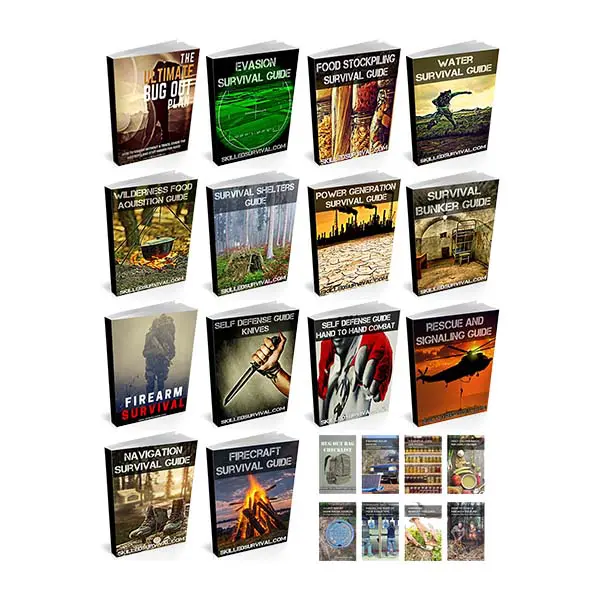
You could own every survival movie DVD or have all the apps on your smartphone, but none of these will take the place of a real book. There are four different kinds of books you will want to seek out when learning about survival.
Wilderness Survival
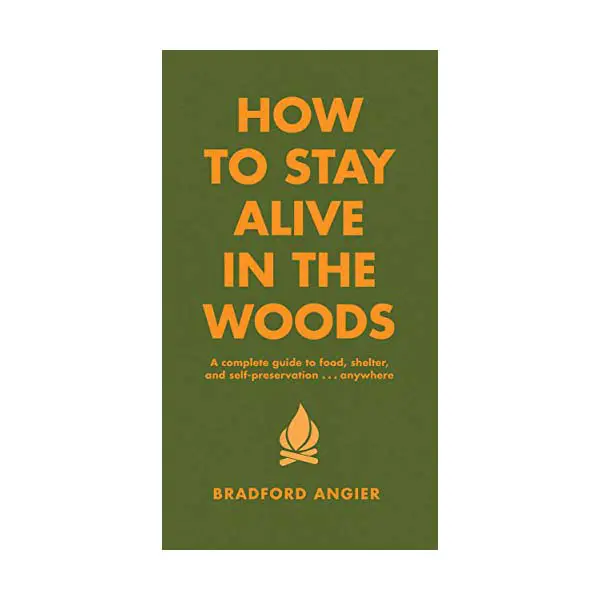
Any outdoorsman worth his salt will have every wilderness survival skill as part of their repertoire. So the best kind of book to start your library out with is wilderness skills guides. There are classics available in this section, such as Bradford Angier’s ‘How To Stay Alive In The Woods’ that have stood the test of time and are still relevant now.
Of course, there are modern wilderness survival books as well. What you want to look out for in these manuals are instructions for surviving in different environments. You may also want to choose one that has a checklist of items to go in your survival kit.
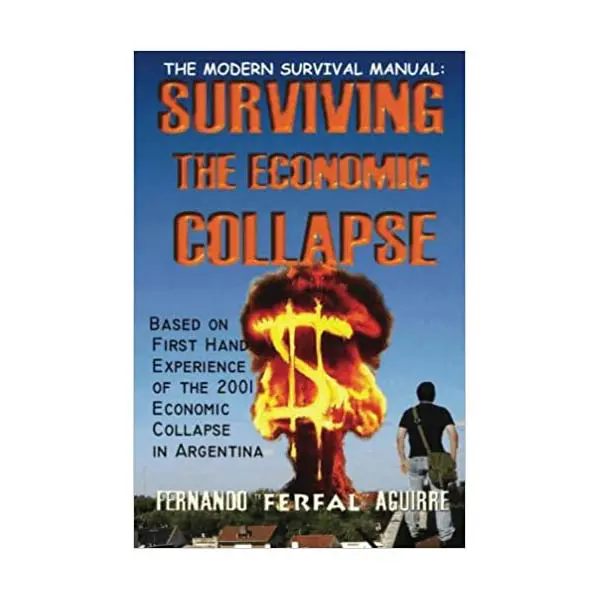
Modern Survival
In today’s world, you need advanced survival skills as well as the more traditional ones. These types of books deal with disasters based in urban areas and should cover water, fire, first aid, shelter, first aid and communication.
Guides to Wild Plants
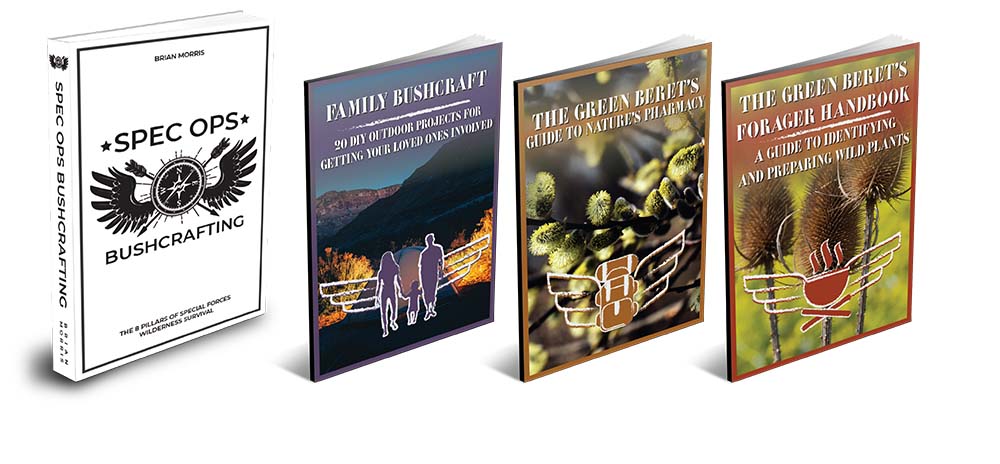
A guide to what plants you can eat for survival could be the difference between life and death. Some of these guides even come in handy pocket sizes so that you can pack them away in your survival kit. Owning a few of the tree and wildflower manuals has the potential to help you out a lot, especially when you encounter a pesky shrub or weed that needs identifying.

Best Survival Courses
Being stranded in the wilderness is a terrifying prospect for anyone, so for those who want to be prepared, then survival training courses could be a great idea. These courses take place all over the world, and if you’re ready to pay, you can learn how to survive in some of the most extreme and volatile conditions.
Wilderness training courses are no longer something reserved for the military and doomsday preppers. It’s now seen as more of an adventure sport, and many of these activities are mainstream hobbies for people. Here are some of the best survival training courses you can find across the USA.
- Bear Grylls Survival – Available in many different countries is this well-know TV personality’s course on survival. This involves a five-day adventure, with two days of intense survival training from Bear. You will then be dropped onto an island for 30-hours to put the skills you just learned to the test.
- BOSS 28-Day Field Survival – Opening back in 1968, this is the most renowned survival school in the world. Participants spend 28 days out in the Utah wilderness with limited supplies and equipment to get by on. There are also shorter versions of the course for 7 to 14 day periods as well as courses for kids as well.
- Ancient Pathways – The military uses this survival school for their desert survival training, so you know it’s the real deal. There’s a lot of different classes on offer, from bushcraft to extreme wilderness survival. You can go on these courses from 4 to 14 day periods, and there’s even a knife only survival course too.
- Mountain Scout Survival School – For a training course that is quicker (and cheaper as well) the Mountain Scout School offers up one-day training experiences just outside of New York. These are great classes for those who want to learn more about urban survival. There are also courses on tracking, trapping, fire building and other necessary survival skills that could end up saving your life.
- The Pathfinder School – This unique course is a three-day event where a simulated emergency situation happens. Participants then have to rely on their skills to survive while awaiting their rescue. If you enjoy this class, then they have a more intensive course available afterwards that takes survival to a whole new level with no food and water.
Survival Movies for Inspiration
Survival movies aren’t just great to watch. They can show you how vital the right skills and materials are in a life and death situation. If you enjoy films that are full of survival training tips, look no further than these.
Cast Away
Number one on any survivalists list has to be this Tom Hanks classic. The story follows the traditional ‘stranded on a deserted island’ concept and leaves the protagonist with little in the way of food or shelter. Several different survival skills can be taken from Cast Away, such as how to start a fire, learning to spear a fish and foraging for food too.
The Revenant
A relatively new movie to the survival training scene, but a great one for tips none the less. The main character is left out in the frozen and treacherous wilderness, trying to find his way back to the camp. A great tip that comes from this film is the handy fish trap the hero makes, as well as building a heated shelter that would have saved his life.
Into the Wild
Based on the book of the same name, here we journey with Christopher for the final two years of his life as he battles the Alaskan wilderness. Although he didn’t survive, there are still a few things you can take from this film. Examples would be that you need the skills as well as the tools to get the job done, and how important it is to study your edible plants religiously.
Bushcraft Courses
During a bushcraft course, there’s a variety of different skills and techniques you will learn. Having this knowledge could potentially save your life one day. Many courses will include the same basic training – fire, water, outdoor safety, equipment, shelter and food.
In the firelighting course in bushcraft training, you can learn the core concepts of building a strong fire such as what materials are best. Having this knowledge in your back pocket will mean you can light a fire confidently whenever you need one.
One of the biggest parts of survival is finding the right shelter. In bushcraft training, they have specially designed courses that can teach you to build a shelter from natural materials that are thermally efficient. As well as this, you will learn about shelters for your survival kit as well as some useful knots.
Finding water is a prominent part of survival, so it will be a big part of a bushcraft course. Here you can learn about collecting water from the most unlikely of places, as well as techniques to make the water safe to drink.
Wild Survival
Courses aimed at surviving out in the wild and not specifically targeted toward bushcraft differ from each other. This is because to survive in the wild, you need a lot more skills than your basic bushcraft course could offer. Wild survival courses can last up to a year, and in that time, you will learn everything from foraging to navigating to build up your survival knowledge.
Best Survival Apps
Phones are available to all of us, so why not introduce one into your survival training? While these apps shouldn’t be relied on in a life or death situation, if your phone works then they can be handy. Let’s look at some of the best options available for Android and iOS users.
1. SAS Survival Guide
This app may be the only one you will ever need because it covers such a vast range of skills. Making fires, foraging and even surviving extreme conditions are all detailed within the guides of this app. There are also tools included such as a sun compass which makes it even more useful.
2. Smart Compass
Any survivalist needs a compass, so having one to hand on your phone is a no brainer. This app is free, and it’s easy to use as well.
Wild Edibles
One of the things I’ve focused on here is what you can and can’t eat as part of survival. So if the apocalypse should ever arrive, you may want to have the Wild Edibles app on your phone. It’s a great source of different plant’s, including a picture for easier identification. Also included are instructions and recipes on how you can use any edible plants you forage in a survival situation.
First Aid by the American Red Cross
First aid is a huge part of survival training. While you still need to have a firm grasp of the basics in case your phone doesn’t work, a First Aid app could prove invaluable as well. In this one, there are a number of skills that can be executed during an emergency.
Knots 3D
There’s a lot of things you will be doing as part of your survival training that involve the use of knots. If you haven’t started learning different knot techniques yet, take a look at this app to practice some knot tying skills.
What are the Benefits of Survival Training?
Training for a survival situation could end up being the difference between life and death, not only for yourself but for those you love as well. But without the doom and gloom, getting some survival training could also open up areas of the country that would otherwise be off-limits to those without the knowledge. Having survival training means you have greater confidence in how self-sufficient you can be if you ever need to. Plus some of the skills could translate into other areas of your life as well.
Final Words
Survival training is definitely a priority for anyone that enjoys outdoor adventures or wants to prepare for natural disasters. All of the topics mentioned above can get you well on the way to being the next Bear Grylls and surviving even the toughest of situations.